
A retailer messaged me once: “I’ve posted 20 times. Not a single inquiry.”
I asked: “What are you selling?”
“Sofas.”
I knew exactly what was happening.
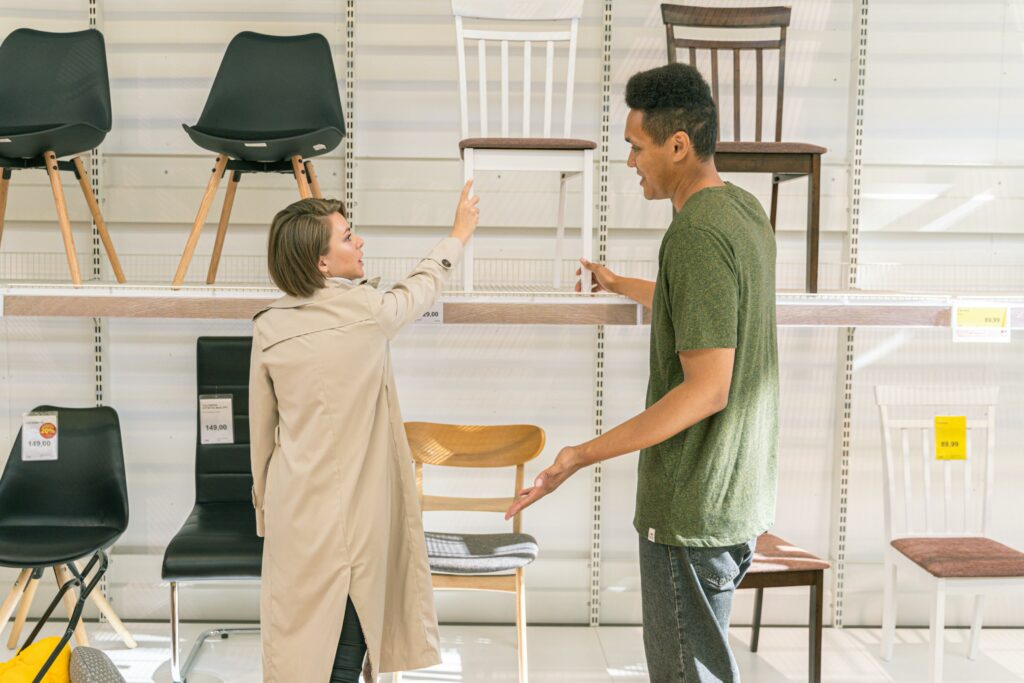
Furniture isn’t hard to sell online. It’s hard to sell the way most people try to sell it — treating it like a t-shirt or a face cream, when it’s actually a decision that involves measuring the room, arguing with a spouse, and sleeping on it for two weeks.
Here’s how to think about it:
If you sell sofas, beds, or dining sets — things the whole household has to agree on → This is a group decision, not an individual one. Ads can create awareness, but the close usually happens in-person or after a very long nurture. If you don’t have a showroom, you need real-life photos, honest video walkthroughs, and a clear return policy to replace what the customer can’t touch.
If you sell lamps, pillows, rugs, or wall art — things one person buys on impulse → Much easier to convert online. Lower ticket, faster decision, no need to consult the family. Start here if you want cash flow before you tackle high-involvement pieces.
If you’re selling premium furniture — $500+ per item → Customers need to see real people using it, not catalog shots. They need reviews, a real location, a real conversation. Facebook gets them interested. Google catches them when they’re ready to buy. You need both — but you can’t skip the human element.
Online furniture isn’t broken.
The approach most people use is.
Know where your customer is in the buying journey before you spend another dollar on ads.

Most marketing advice for furniture businesses comes from people who’ve never set foot in a showroom or touched a piece of raw wood. Mine doesn’t. I grew up in a furniture-making village outside Hanoi. Manufacturing, delivery, installation, sales — I’ve done all of it. Design is the only thing I left to someone else. For the past 7 years, I’ve run digital marketing for furniture retailers and interior design firms, watching owners burn through ad budgets on campaigns that looked great on paper and delivered nothing on the floor. HBiz exists because furniture business owners deserve straight talk from someone who understands both sides of the workbench — not another agency trying to sell them a package. When I write here, I write from that place.